
Introduction
Welcome to this week’s edition of Petroly, your definitive update on global fuel markets and geopolitical risk. This week, energy markets find themselves caught between severe Middle Eastern supply constraints and aggressive government interventions. While ongoing military hostilities in the Middle East continue to impede maritime traffic through strategic chokepoints, coordinated policy measures are attempting to stabilize volatile benchmark prices. Key themes this week highlight the delicate balance between geopolitical supply shocks and market-balancing measures. OPEC+ has chosen to maintain existing production quotas despite output falling short of targets, while G7 nations have unlocked massive emergency reserves to relieve acute diesel shortages. Concurrently, new military fronts around the Bab el-Mandeb strait, low European gas storage levels, and aggressive U.S. tariff legislation targeting buyers of Russian energy illustrate how national security and energy policy have become inextricably linked across the globe.
Featured News
1. OPEC+ Holds Required Production Quotas Steady Amid Supply Deficits
Summary: The core seven members of the OPEC+ coalition—including Saudi Arabia, Russia, and Iraq—agreed during an online session to keep November output targets unchanged at 31.01 million barrels per day. Market prices remained steady near $101 per barrel as analysts noted that official production targets are not currently the primary constraint on global supply. Due to ongoing war disruptions in the Middle East, several major Gulf producers continue to pump significantly below their assigned quotas. Furthermore, OPEC+ delayed its scheduled capacity review until mid-November because active conflict has disrupted infrastructure expansion projects across the region.
Why it matters: With actual production running millions of barrels per day below official targets, holding quotas keeps physical oil markets tight and leaves little spare capacity to absorb further unexpected supply shocks.
2. G7 and IEA Coordinate 100 Million Barrel Emergency Reserve Release
Summary: In a major coordinated effort to curb skyrocketing fuel costs, G7 nations and the International Energy Agency agreed to release 100 million barrels of crude oil and refined products from emergency stockpiles. The four-month release package places special priority on delivering substantial volumes of diesel within the first 20 days to ease severe global middle-distillate shortages. On an average basis, the intervention injects approximately 830,000 barrels per day into global markets while committing participating members to refrain from trade restrictions. The announcement immediately put downward pressure on oil benchmark prices, offsetting part of the geopolitical risk premium.
Why it matters: This historic stock draw provides immediate liquidity to strained refined product markets, though analysts warn that emergency releases serve only as a temporary buffer if primary transit routes remain vulnerable.
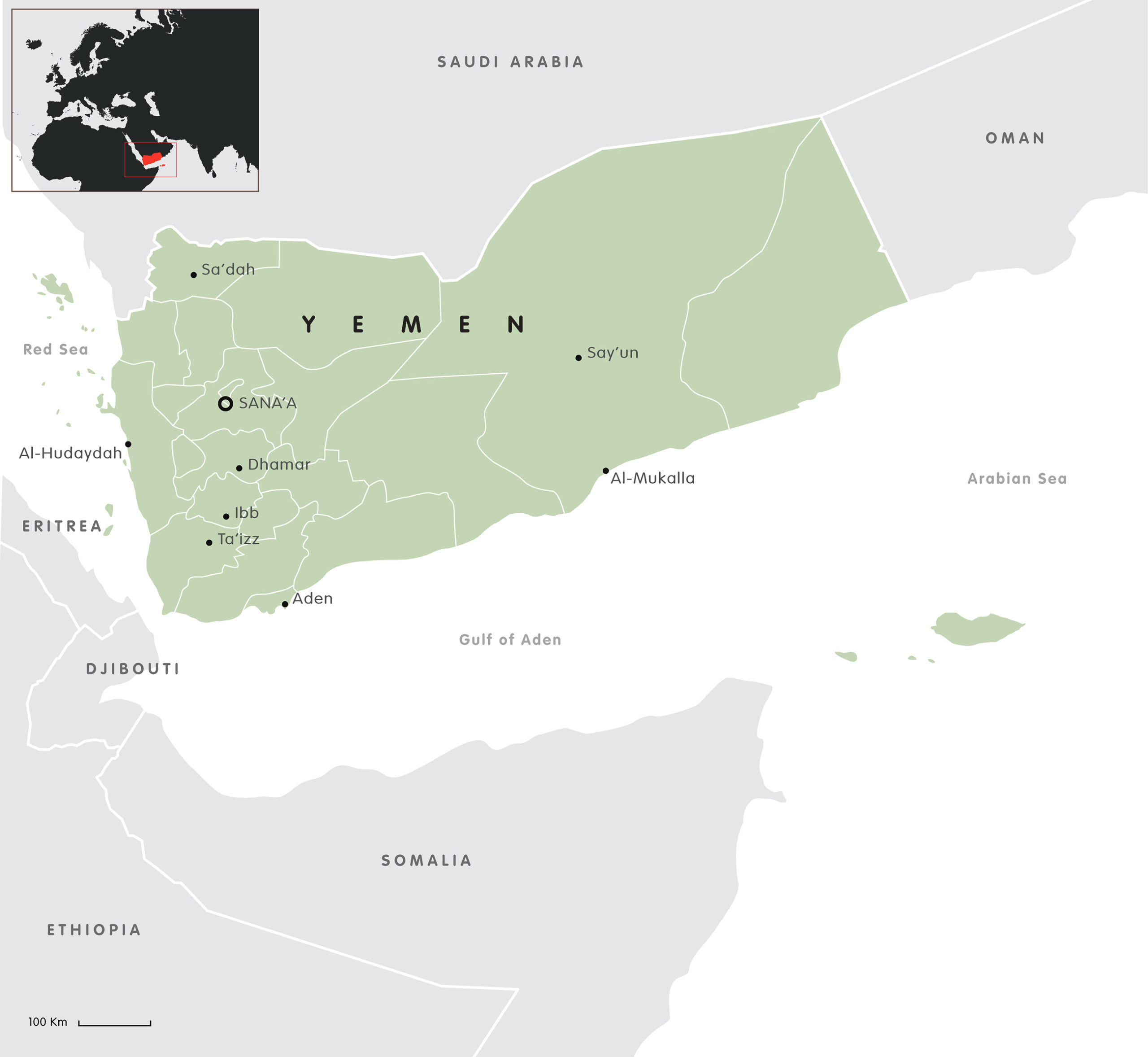
3. Government Offensive in Yemen Escalates Security Risks Near Bab el-Mandeb
Summary: Saudi-backed Yemeni government forces launched a full-scale military campaign to retake coastal positions and secure the strategic Bab el-Mandeb Strait from Houthi rebels. In response, Houthi forces claimed long-range missile and drone strikes against Saudi Aramco energy facilities in Riyadh and Khurais. The renewed escalation along Yemen’s Red Sea coast threatens a secondary critical transit route for crude oil and petroleum products. Meanwhile, maritime insurance costs remain elevated as commercial shipping faces persistent security threats along the waterway.
Why it matters: With maritime transit through the Strait of Hormuz already severely disrupted, any operational impairment around Bab el-Mandeb threatens to choke off alternative Red Sea export routes like Saudi Arabia’s East-West pipeline.
4. Alternative Pipeline Bypass Routes and LNG Transits Gain Momentum
Summary: Global oil producers and maritime shippers are increasingly utilizing land-based pipelines and ship-to-ship transfers to circumvent Middle Eastern maritime chokepoints. Saudi Arabia successfully restored operations on its East-West pipeline to full capacity, allowing crude exports to ramp up from the Red Sea port of Yanbu. Simultaneously, LNG tanker movements through the Strait of Hormuz reached their highest monthly level since February, driven by Qatari and Emirati cargoes. Despite these operational workarounds, shipping experts emphasize that overall maritime risk and elevated freight rates remain firmly embedded in the market.
Why it matters: While rerouting infrastructure provides vital supply relief to Asian and European refiners, higher transport logistics and war risk insurance maintain structurally elevated delivered energy costs.
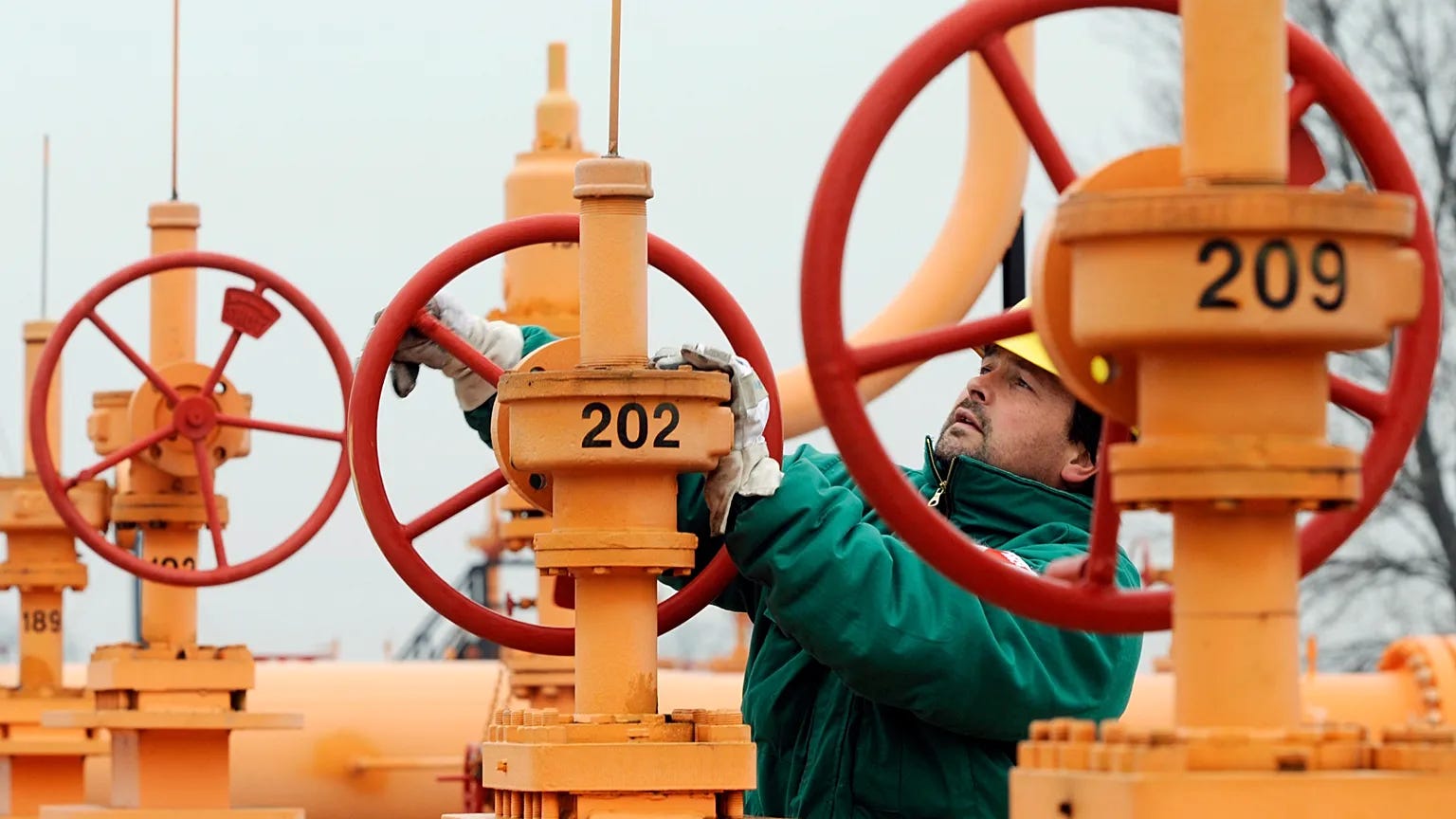
5. Europe Enters Winter Season with Low Gas Storage at 71%
Summary: European Union natural gas storage facilities entered the autumn heating season at just 71.3% of total capacity, well below the 82.5% level recorded at the same point last year. The thinner inventory cushion has heightened reliance on imported liquefied natural gas, with U.S. cargoes accounting for 62% of EU and UK supply. Consequently, European fourth-quarter wholesale power prices and global spot LNG benchmarks have surged to multi-year highs. European utility operators face a difficult tradeoff between procuring costly spot cargoes now or risking severe supply shortages during potential cold spells.
Why it matters: Depleted storage buffers leave European energy grids exceptionally vulnerable to winter weather spikes and global LNG cargo competition, raising economic risks for industrial consumers.
6. U.S. Enacts Graham Sanctions Act Targeting Buyers of Russian Energy
Summary: U.S. President Trump signed into law the Lindsey O. Graham Sanctioning Russia and Iran Act of 2026, creating far-reaching tariff penalties for major energy buyers. The legislation authorizes tariffs of up to 100% on all U.S.-bound goods from countries identified as top purchasers of Russian crude oil or natural gas. Designed to target non-coalition buyers like China and India, the law adds a secondary layer of economic pressure beyond existing price-cap regimes. The mechanism recalculates top importing nations every six months, leveraging access to the U.S. consumer market to force trade diversification.
Why it matters: By imposing cross-sector tariffs on unrelated commercial exports, Washington is aggressively shifting sanctions enforcement from individual shipping compliance to macro-level national purchasing decisions.
Emerging Trends
Divergent Regional Transition Pathways: Energy security and supply resilience have superseded single global decarbonization pathways, leading regions to adopt distinct, pragmatic strategies ranging from rapid renewable expansion to increased domestic hydrocarbon production.
Structural Shift toward Secondary Pipeline & Strategic Buffer Infrastructure: Prolonged chokepoint instability is permanently elevating the strategic value of overland pipeline bypass routes, strategic petroleum reserves, and localized storage infrastructure.
Weaponization of Market Access via Secondary Tariffs: International trade policy is increasingly employing broad market-access penalties and secondary tariff threats to force compliance with global sanctions and energy supply realignments.
Conclusion
As global energy markets navigate this turbulent era, the interplay between geopolitical friction and government intervention will remain the dominant force shaping price discovery. While emergency stock releases and alternative logistical routes provide temporary relief, the underlying vulnerabilities across key maritime chokepoints and depleted gas storage facilities highlight the fragility of the global supply chain. Energy leaders and policymakers must remain vigilant, adapting to a fragmented landscape where energy security and national defense are inseparable.